

Blog
Precision Motion Control Reshapes Expectations Across Modern Machine Tool Workshops

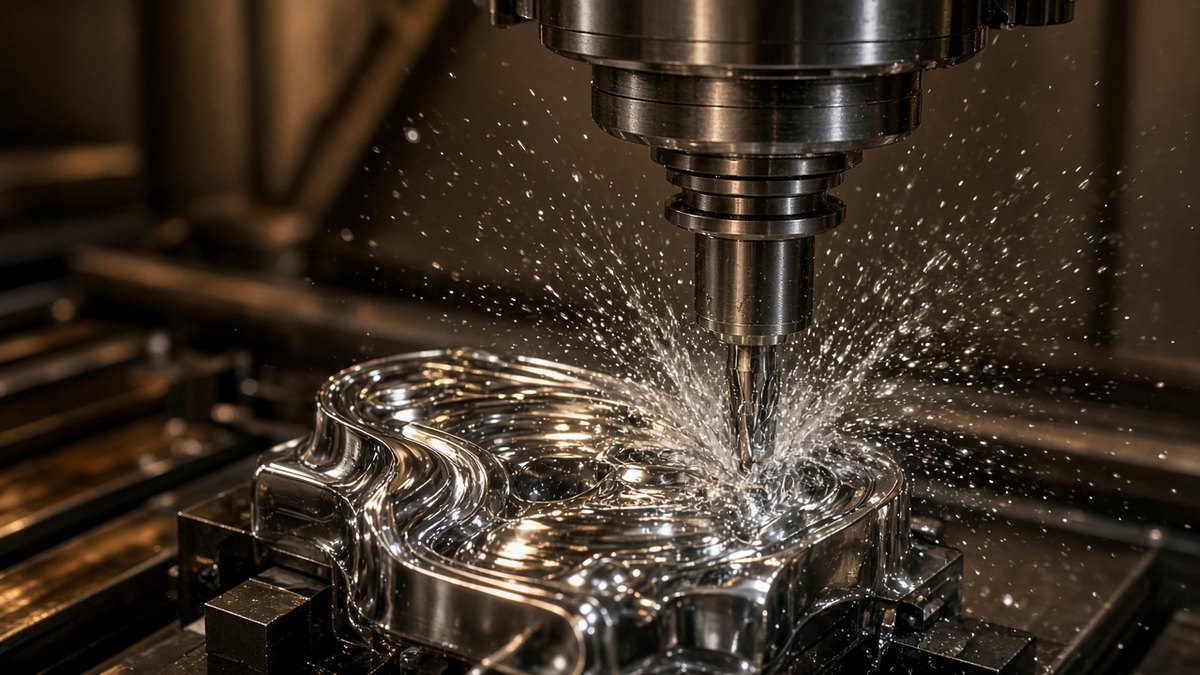
Precision Becomes a Baseline Expectation
In machining workshops around the world, customer expectations for accuracy, surface finish and consistency continue to rise. Components for aerospace, medical devices, automotive systems and industrial equipment must meet tight tolerances, often in small batches with frequent changeovers. Meeting these demands depends heavily on the quality of motion control inside each machine tool. Servo motors, amplifiers, feedback devices and CNC controllers work together to move cutting tools and workpieces with remarkable precision. Every axis must accelerate, decelerate and hold position with minimal deviation, even under heavy cutting forces. Over the years, improvements in control algorithms, encoder resolution and drive technology have made this level of performance more widely accessible. What once required specialized equipment is now expected from standard machining centers and lathes. As a result, precision has become a baseline requirement rather than a competitive advantage on its own. Workshops that want to stand out must combine accurate machines with efficient processes, skilled programming and dependable maintenance. Understanding how motion control systems work, and how to keep them in good condition, has therefore become an important part of running a successful machining business in a demanding and competitive market.
The Building Blocks of Motion Control
A modern motion control system brings together several closely linked elements. The CNC controller interprets part programs and generates precise motion commands for each axis. Servo amplifiers convert these commands into carefully regulated currents that drive the servo motors. The motors, in turn, convert electrical energy into controlled rotation, which is transferred to ball screws, gears or direct drive mechanisms. Feedback devices such as encoders continuously report position and speed back to the control system, allowing it to correct errors almost instantly. Spindle drives and motors deliver the cutting power needed for material removal, while power supply modules provide a stable energy source for the entire drive system. Each component must perform reliably for the machine to achieve its specified accuracy. A weakness in any part of the chain, whether a worn encoder cable, an aging amplifier or a loose connection, can lead to vibration, poor surface finish or alarms that halt production. For this reason, maintenance teams increasingly view motion control as an integrated system rather than a collection of separate parts. Understanding how the elements interact helps technicians diagnose problems more quickly and choose the right corrective action when issues arise on the shop floor.
Common Challenges on the Shop Floor
Despite their sophistication, motion control systems operate in harsh environments. Machine tools generate heat, vibration, metal chips and coolant mist, all of which can affect electrical components over time. Servo motors may suffer from contamination when seals wear, allowing coolant to reach windings or encoders. Cables that move with axes experience repeated flexing that can eventually cause intermittent connection faults. Amplifiers and power modules contain electronics that age under thermal stress, especially if cabinet cooling is not maintained. Circuit boards inside controllers can be affected by dust and humidity. These issues often appear initially as subtle symptoms, such as slight changes in surface finish, unusual noise or occasional alarms that clear after a restart. Experienced technicians learn to recognize these signs and investigate before they develop into major failures. Regular inspection of cabinet filters, fans and seals, along with careful cable management, can prevent many problems. Keeping records of alarms and maintenance actions helps identify recurring issues. When a component does fail, rapid access to a compatible replacement is critical, because a single machine tool may be responsible for producing parts that feed many downstream operations in the workshop.
Maintaining Legacy Machines Alongside New Equipment
Most machining workshops operate a mixture of new and older machines. Older machine tools often remain mechanically sound and capable of producing high quality parts, yet their control and drive components may belong to product generations that are no longer actively manufactured. Keeping these machines productive requires a careful strategy. Many workshops rely on like-for-like replacement of servo amplifiers, motors, power modules and controller boards to restore operation quickly without changing the machine’s configuration. Matching part numbers and versions is essential, since even small differences can affect compatibility with existing software and parameters. Repaired and tested components can also offer a practical option when original new parts are difficult to obtain. At the same time, workshops evaluate when it makes sense to retrofit older machines with modern controls, which can improve performance and extend service life further. The decision depends on the machine’s mechanical condition, its role in production and the availability of support for existing components. A balanced approach allows workshops to make the most of their installed equipment while planning investments in new technology. This blend of preservation and renewal is a defining feature of modern machining operations that need both flexibility and cost control.
Skills and Diagnostics Make the Difference
As motion control systems become more capable, the skills required to maintain them also evolve. Technicians must understand electrical systems, mechanical behavior and control logic, often within the same troubleshooting task. Diagnostic tools built into modern controllers and drives provide valuable information, including alarm histories, load monitoring and servo tuning data. Learning to interpret this information allows technicians to pinpoint the source of problems more accurately. For example, rising motor load on an axis may indicate mechanical binding, worn guides or lubrication issues rather than an electrical fault. Unstable positioning may point to feedback problems or incorrect tuning. Workshops that invest in training gain a significant advantage, because faster diagnosis means shorter downtime and fewer unnecessary part replacements. Documentation also matters. Keeping parameter backups, wiring diagrams and records of installed component versions enables quick recovery when a failure occurs. Collaboration with experienced suppliers and service providers can supplement internal expertise, especially for less common equipment. Ultimately, the combination of skilled people, good information and reliable access to replacement components determines how well a workshop can sustain the precision its customers expect over the full lifetime of its machines.
Protecting Accuracy Through Preventive Care
Preventive care ranks among the most effective ways to keep motion control systems performing at their best. Simple routines carried out consistently can prevent many costly failures. Technicians check that cabinet fans and filters are clean, that door seals are intact and that coolant is not reaching electrical connections. Axis cables are inspected for wear at bending points, and connectors are secured to prevent intermittent faults. Periodic checks of backlash, lubrication and guide condition help separate mechanical issues from electrical ones. Many workshops also schedule regular accuracy tests to confirm that machines still meet tolerance requirements. When results begin to drift, the team can investigate calmly instead of reacting to rejected parts. These habits protect both the machines and the reputation of the workshop with customers who depend on consistent quality.
Looking Ahead in Precision Manufacturing
The demand for precision manufacturing shows no sign of slowing. Industries such as medical technology, renewable energy, electronics and transportation continue to require complex parts with tight tolerances and excellent surface quality. Motion control technology will keep advancing to meet these needs, with improvements in drive efficiency, feedback accuracy and control responsiveness. Yet the fundamental principles of good practice remain unchanged. Machines must be properly maintained, components must be reliable and teams must understand the systems they operate. Workshops that take a proactive approach to motion control maintenance can protect their productivity and reputation. This includes monitoring equipment condition, maintaining cabinet cooling, managing cables carefully, holding critical spares and building relationships with dependable suppliers. As older machines continue to work alongside new installations, the ability to support multiple generations of motion control hardware will remain valuable. Precision is no longer simply a feature of advanced machines. It is the result of a well managed system that combines technology, maintenance and expertise. Workshops that master this combination will be well positioned to serve demanding customers and compete successfully in a manufacturing landscape where accuracy and reliability are expected every single day.